It’s about talent, not charity.
When an employer hires a person with a developmental disability, they are not doing that person a favor. They are hiring an employee.
An employee with skills. An employee with strengths. An employee who can learn, contribute, grow and become a valuable part of a workplace.
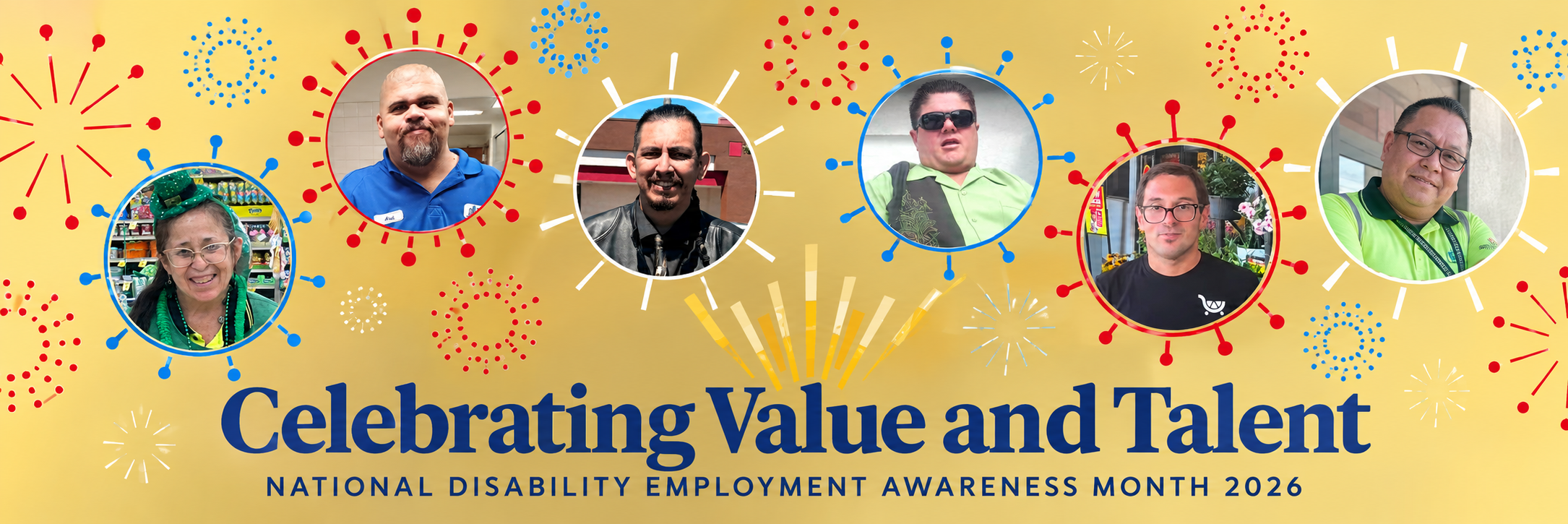
As we prepare to celebrate National Disability Employment Awareness Month (NDEAM) in October, Project Independence is launching a series of articles challenging some of the myths and assumptions that can stand between people with developmental disabilities and meaningful employment.
The theme for NDEAM 2026 is “Celebrating Value and Talent”, and we can think of no better place to begin. NDEAM is observed each October to recognize the contributions people with disabilities make to America’s workplaces, communities and economy.
For too long, employment for people with developmental disabilities has sometimes been viewed as an act of kindness rather than an opportunity for a qualified person to contribute. But that thinking is changing. The question shouldn’t be whether people with developmental disabilities are capable of working. It should be what kind of work matches their individual talents, interests and goals – and what support, if any, will help them succeed.
That approach is not only central to the work we do at Project Independence. It is also reflected in California’s Employment First policy.
California Is an “Employment First” State
California’s Employment First policy establishes competitive integrated employment as the first option considered for working-age people with developmental disabilities. That means creating opportunities for people with disabilities to work in their communities, alongside people with and without disabilities, while earning competitive wages.
And thousands of Californians are doing exactly that.
According to the California Department of Developmental Services, in fiscal year 2024–25, 32,734 working-age Californians with active regional center cases participated in employment, 19,431 received employment-related services and 3,815 participated in paid internships.
Those numbers represent progress, but behind every number is a person with individual talents, goals and something valuable to contribute.
At Project Independence, we see those people every day.
Talent at Work
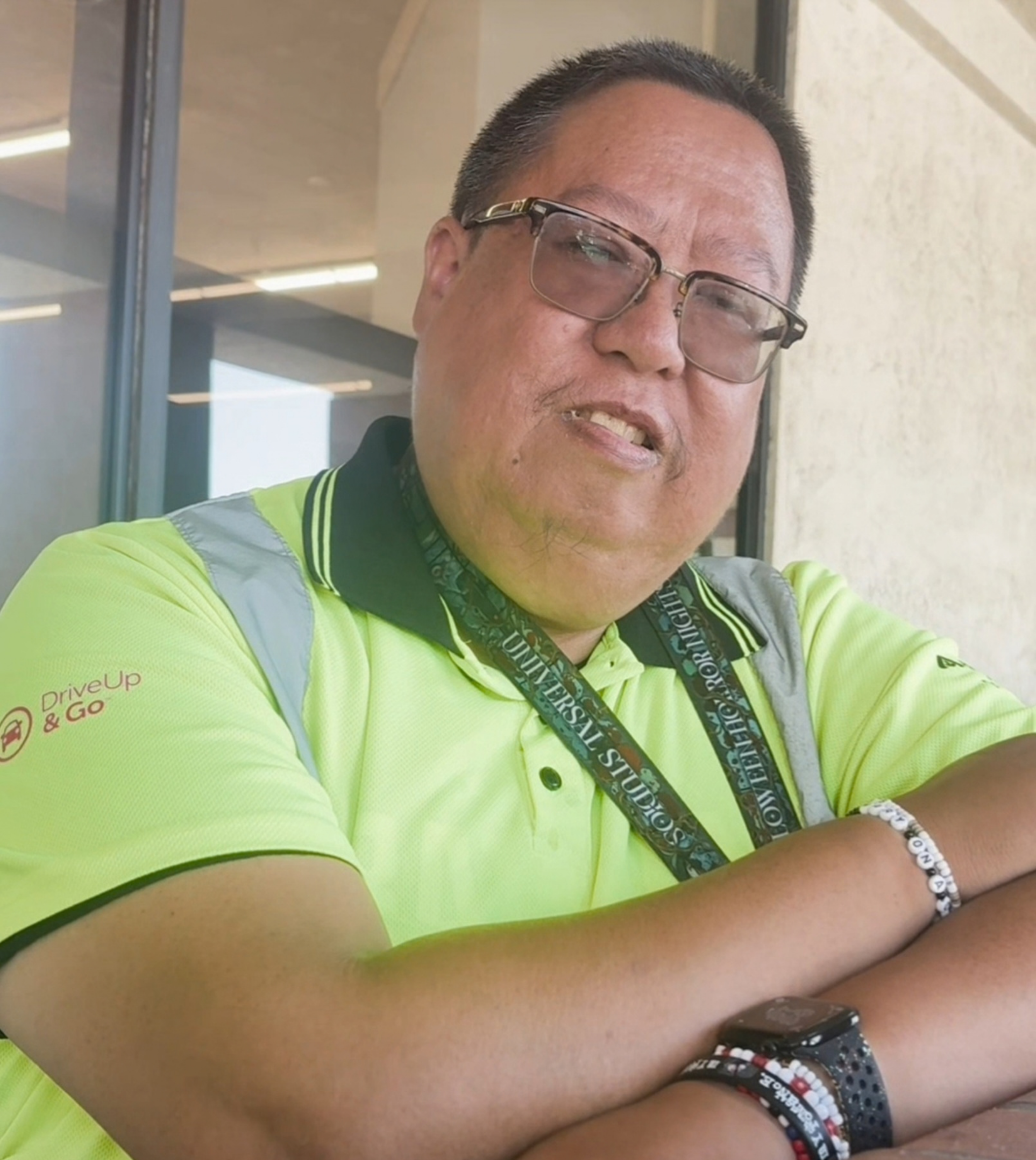 Eugenio is building his career at Vons, where he is demonstrating what successful supported employment looks like in the real world. He isn’t there as a charitable gesture. He’s there as part of the workforce—learning, contributing and taking pride in his job.
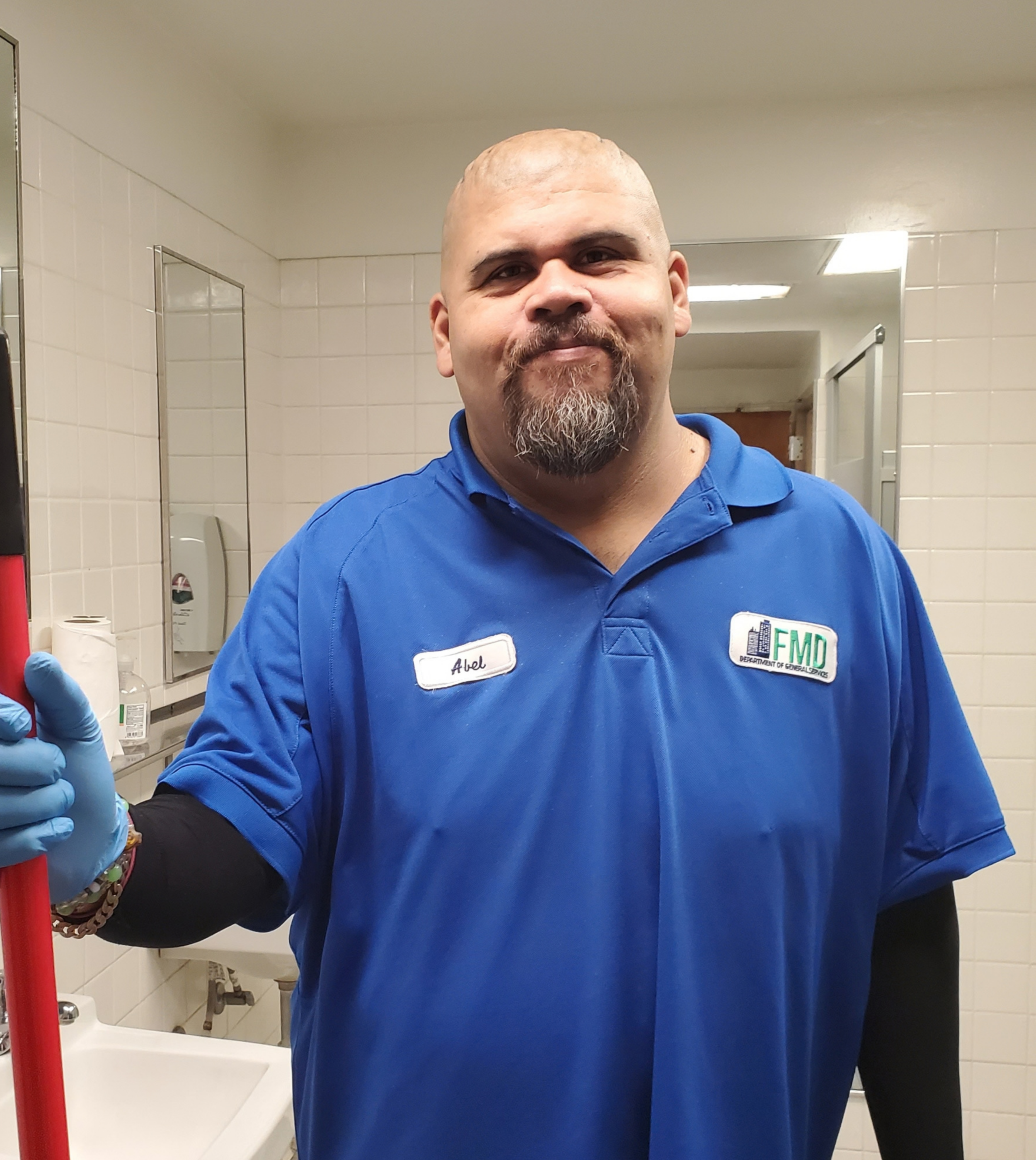 Zarco is another example of what can happen when opportunity meets ability. Working at the DMV with support from his Project Independence employment team, Zarco demonstrates that people with developmental disabilities can contribute in a wide variety of workplaces and roles throughout our community.
 And then there’s Jordan, one of the newest members of Project Independence’s Job Development program. Jordan brings 20 years of hands-on experience in event setup, equipment maintenance, deliveries and site support, along with several years of experience leading custodial work at a school. He’s safety-conscious, dependable and versatile—and he’s currently seeking a full-time position in custodial, maintenance, warehouse, stocking or general labor work in Orange County.
Jordan doesn’t need an employer to give him a job out of sympathy.
He needs an employer to recognize what he brings to the table.
And that’s an important distinction.
Opportunity, Not Charity
Supported employment isn’t about asking businesses to lower their expectations. It’s about helping employers recognize talent that can too easily be overlooked, and providing the right support to help employees and employers succeed together.
For nearly 50 years, Project Independence has worked from a simple belief: people with developmental disabilities should have opportunities to build lives of greater independence.
Employment can be an important part of that life.
A job provides income, but it can also provide purpose, relationships, confidence, new skills, greater independence and the satisfaction of knowing that your work matters.
So this October, as we celebrate National Disability Employment Awareness Month, we’re asking employers and our entire community to reconsider some long-standing assumptions about disability and work.
And we’re starting with this one:
Hiring someone with a developmental disability isn’t charity.
It’s hiring someone for their value and talent.