Independence & Inclusion
For people with developmental disabilities, independence and inclusion are not abstract ideals – they are the foundation for living a full and meaningful life. Every person deserves the opportunity to make choices, pursue their goals, build relationships, and participate fully in their community.
For many individuals with developmental disabilities, these opportunities have not always been guaranteed. Systems, policies, and outdated assumptions have historically limited where people could live, work, and socialize. Today, organizations like Project Independence are helping change that reality by supporting people in building independent lives and participating fully in their communities.
Independence
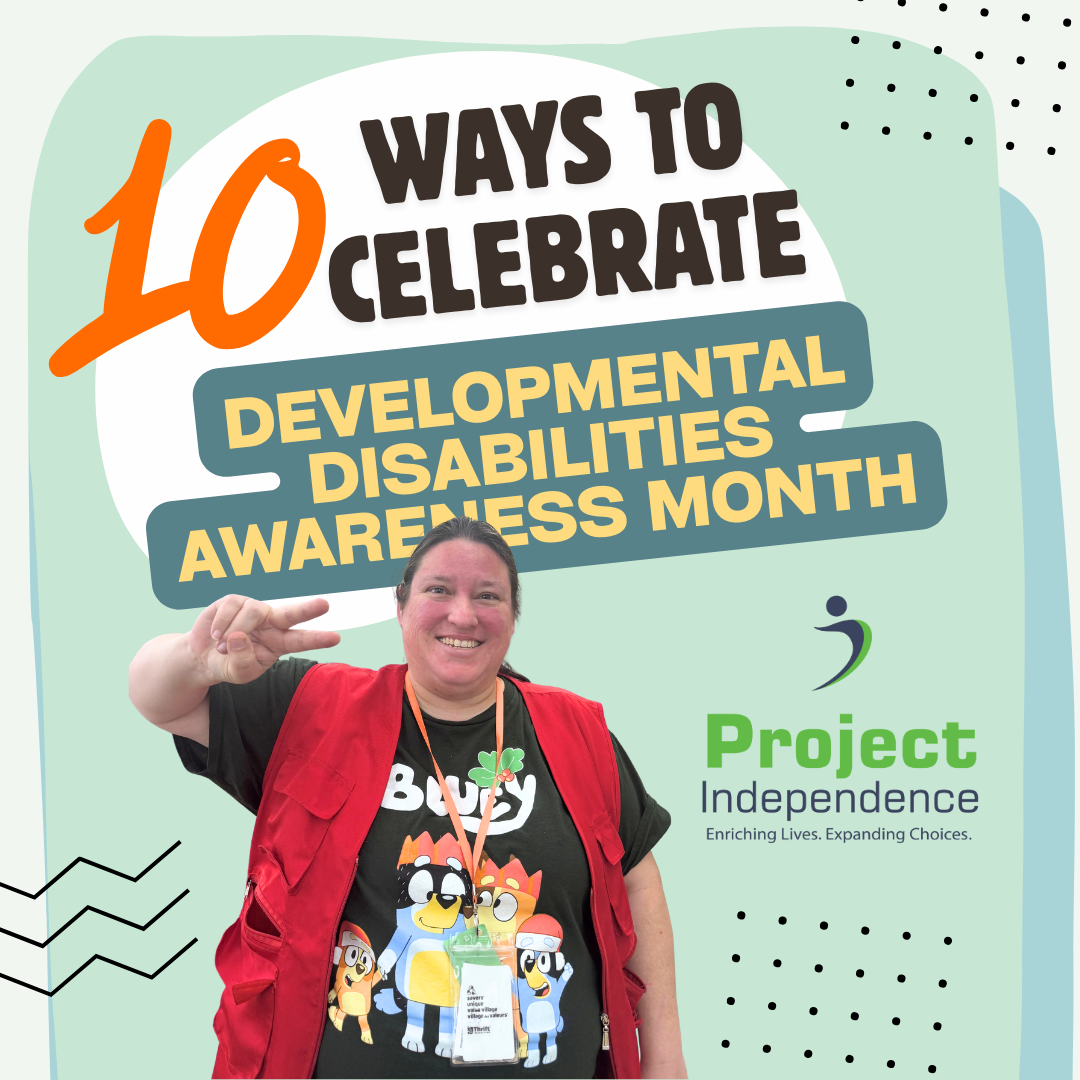
Independence means having the ability and support to make your own choices and direct your own life. For people with developmental disabilities, this can include learning everyday skills such as cooking, managing money, using public transportation, securing employment, and living in their own homes.
Independence does not mean doing everything alone. It means having the right supports in place so individuals can live with dignity, autonomy, and confidence. When people are empowered to make their own decisions and pursue their goals, they gain confidence, self-determination, and a stronger sense of identity.
Inclusion
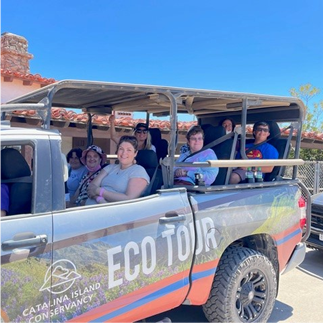
Inclusion means being welcomed and valued as a full member of the community. It means having opportunities to work, volunteer, socialize, and participate in everyday activities alongside others.
True inclusion goes beyond simply being present in a space — it means being respected, heard, and given the same opportunities as everyone else. When communities are inclusive, people with developmental disabilities are able to build friendships, contribute their talents, and experience the sense of belonging that everyone deserves.
How Project Independence Makes It Possible
It wasn’t that long ago that people with developmental disabilities were institutionalized – living in horrible conditions with no freedom and no choice. Project Independence was founded over 45 years ago specifically to help people leave institutions and build independent lives in their communities.
Today, Project Independence continues that mission by providing programs and support that empower adults with developmental disabilities to live with greater independence and inclusion. Through supported employment, independent living skills training, community integration activities, and advocacy, we help individuals develop the skills, confidence, and opportunities they need to thrive.
Every day, our clients are building real lives – working meaningful jobs, managing their own homes, exploring their communities, and forming lasting friendships. By expanding opportunities for independence and inclusion, Project Independence helps ensure that people with developmental disabilities can live the full, self-directed lives they deserve.
About Developmental Disabilities
What is a Developmental Disability?
The term “developmental disabilities” is a broader category of often lifelong challenges that can be intellectual, physical, or both. Developmental disabilities can include intellectual disabilities, cerebral palsy, down syndrome, autism, learning disabilities, ADHD, and more. “IDD” (Intellectual or Developmental Disability) is the term often used to describe situations in which intellectual disability and other disabilities are present.
What Is an Intellectual Disability?
Intellectual disability (or ID) is a term used when a person has a developmental disability that impacts their intellectual processes, or their ability to learn and acquire the skills they need for independent living and social function.
Just Like You
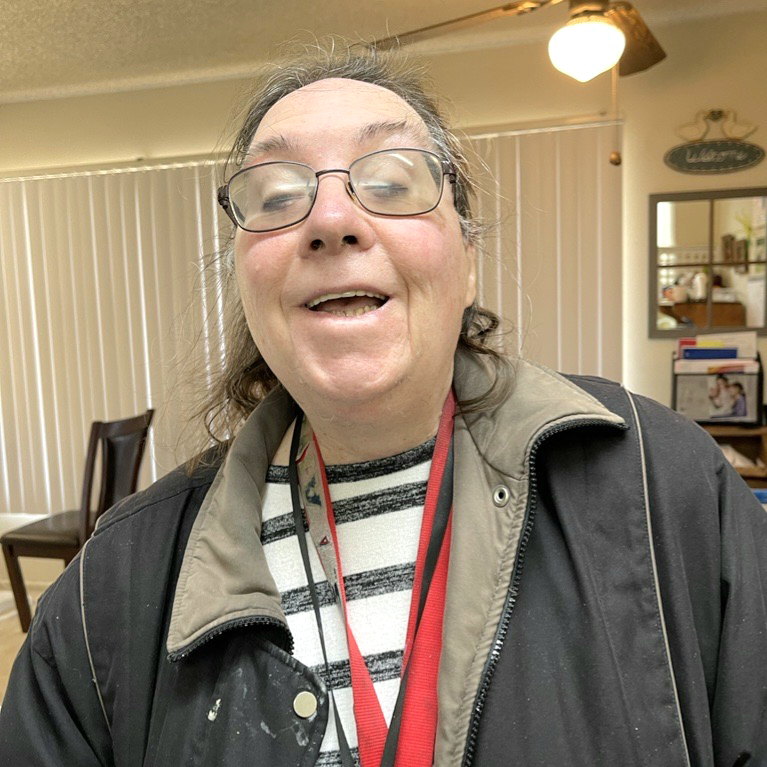
We prefer to focus on abilities not disabilities, and dreams not limitations, because when it comes down to it, people with disabilities are just like you.
Just Like You
We prefer to focus on abilities not disabilities, and dreams not limitations, because when it comes down to it, people with disabilities are just like you.
Did You Know?